
Beat the Heat: Safety on the Job in the Peak of Summer!
Shelley Justice • August 5, 2025
Staying Safe, Cool, and Productive in the Summer Heat
The summer heat is a powerful force to be reckoned with. For those of us working hard to keep businesses running, staying safe in the scorching temperatures is absolutely essential. At Core Personnel Staffing Services, your well-being on the job is our top priority. This post is for you, our dedicated employees, to equip you with the knowledge to stay safe and healthy.
We also hope this serves as a valuable resource for all businesses and employers committed to protecting their teams working in the heat and a reminder of the critical steps we advocate for and support in ensuring a safe working environment for all staff, particularly our temporary professionals.
The Summer Heat: More Than Just Discomfort
It's not just about being uncomfortable; extreme heat poses serious health risks, from heat cramps to life-threatening heat stroke. Understanding these risks and knowing how to prevent them is your first line of defense. The good news is that heat-related illnesses are largely preventable with proper precautions.
Essential Tips for Staying Safe in the Heat:
1. Hydration is Your Hottest Commodity!
This is the golden rule for summer safety. Your body loses significant fluids through sweat in the heat, and replenishing them is non-negotiable.
- Drink Water Constantly: Don't wait until you're thirsty. By then, you're already starting to dehydrate. Aim to drink about one cup (8 ounces) of cool water every 15-20 minutes when working in the heat. Keep a water bottle easily accessible and refill it often.
- Electrolytes for Longer Stretches: For jobs lasting more than two hours, or if you're sweating heavily, consider sports drinks that replenish electrolytes (salts). Water is great, but prolonged sweating depletes these vital minerals.
- What to Avoid: Steer clear of excessive caffeine, sugary sodas, and alcohol, as these can actually dehydrate you further.
Hydrate Before, During, and After: Start your day well-hydrated, drink throughout your shift, and continue to rehydrate even after you're done for the day.
2. Recognize the Warning Signs: Listen to Your Body (and Your Teammates)
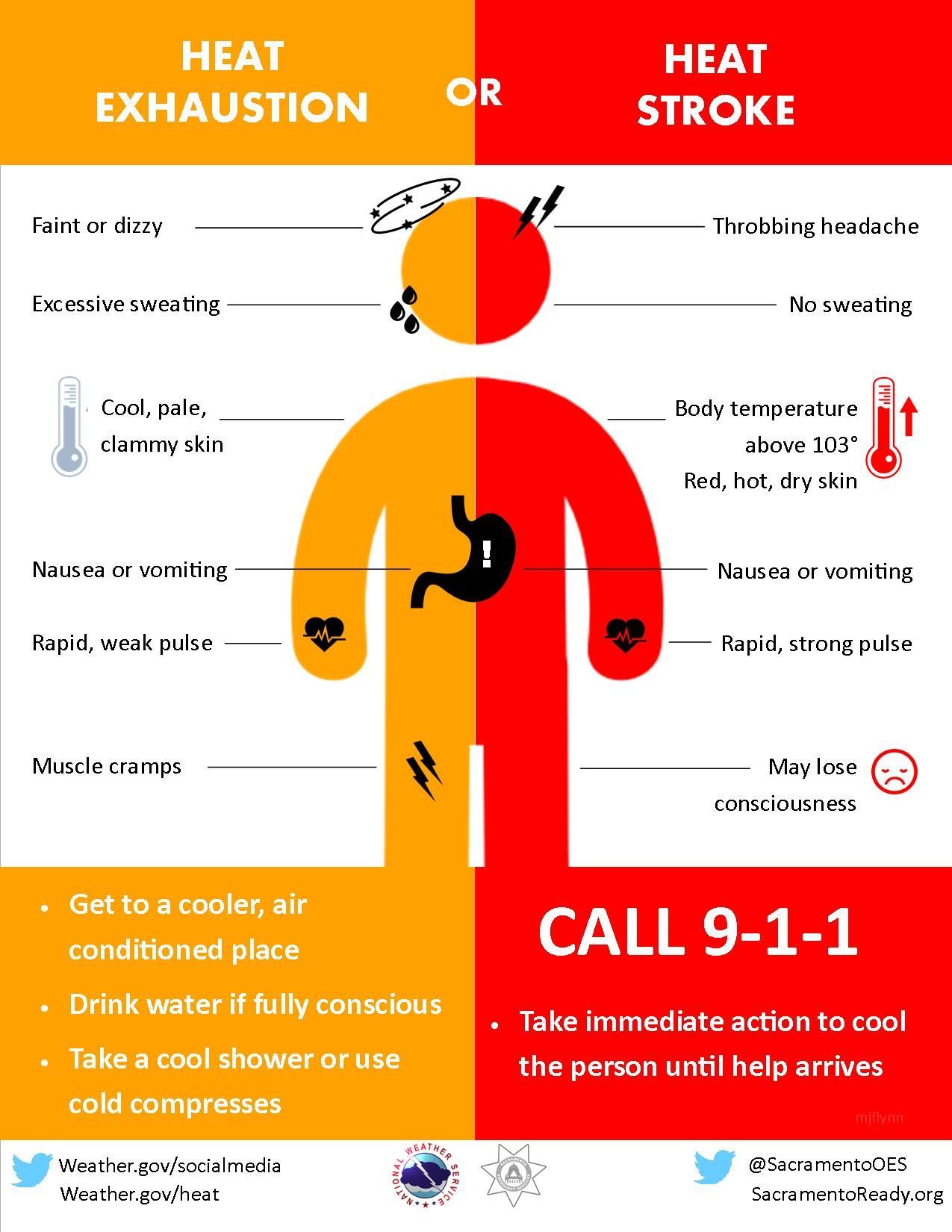
Knowing the symptoms of heat stress is critical for your safety and the safety of those around you. Early recognition can prevent a serious emergency.
- Heat Cramps: Often the first sign. You might experience painful muscle spasms, usually in your legs, arms, or abdomen, often after heavy sweating.
- Action: Move to a cool place, drink water or a sports drink, and gently stretch the affected muscle.
- Heat Exhaustion: More serious. Symptoms include heavy sweating, weakness or tiredness, cool/pale/clammy skin, a fast but weak pulse, nausea or vomiting, headache, dizziness, and sometimes fainting.
- Action: Immediately move to a cooler environment (shade, air-conditioned room), loosen clothing, apply cool, wet cloths to your skin, and drink cool water. Seek medical attention if symptoms don't improve or worsen.
- Heat Stroke: A Medical Emergency! This is the most severe heat-related illness and requires immediate emergency medical attention. Symptoms include confusion, slurred speech, hot/dry skin (or profuse sweating in some cases), a very high body temperature (103°F or higher), seizures, and loss of consciousness.
Action: CALL 911 IMMEDIATELY! While waiting for help, move the person to the coolest possible area, try to cool them down with wet cloths or a fan, and loosen their clothing. Do NOT give them fluids if they are unconscious.
A Quick Resource for Help:
Don't forget that your new Core Thrive supplemental benefits can be a valuable resource for non-emergency heat-related concerns. If you or a coworker feel unwell, you have access to 24/7 virtual urgent care with a $0 co-pay. This provides a fast, convenient way to get advice from a doctor or nurse to help you determine the best next steps. This is a great tool for an extra layer of support whenever you need it.
Don't ignore symptoms, even mild ones. Speak up immediately if you or a coworker feel unwell. Your supervisor needs to know.
3. Power of the Break: Recharge and Recover
Breaks aren't just for resting your feet; they're crucial for regulating your body temperature and preventing heat-related illness.
- Take Frequent, Shaded Breaks: Schedule regular breaks in a cool, shaded, or air-conditioned area. This allows your body to recover from heat exposure. OSHA guidelines often recommend at least 15-minute breaks every two hours when the heat index is high, with more frequent breaks as temperatures climb.
- Listen to Your Body's Cues: If you feel yourself overheating, take a preventative cool-down break even if it's not a scheduled one. Your employer (and Core Personnel) wants you to prioritize your safety.
- Don't Skip Breaks: In hot conditions, skipping a break is not safe. It puts you at significantly higher risk for heat illness.
4. Dress Smart, Work Smart: Practical Tips
- Wear Light & Loose: Opt for light-colored, loose-fitting, and breathable clothing. Cotton is often a good choice. This allows air circulation and reflects sunlight.
- Sun Protection: If working outdoors, wear a wide-brimmed hat and use sunscreen.
- Buddy System: Look out for your coworkers, and encourage them to do the same for you. A quick "How are you feeling?" can make all the difference.
Our Commitment to Your Safety (For Employees & Clients)
At Core Personnel Staffing Services, we work closely with our clients to ensure safe working conditions. We advocate for:
- Accessible Water & Shade: Ensuring cool, potable water is readily available and shaded rest areas are provided.
- Heat Safety Planning: Collaborating on proactive heat safety plans, including acclimatization procedures for new or returning workers, especially during the initial days of a hot spell.
- Open Communication: Encouraging our employees to communicate any safety concerns immediately to their on-site supervisor and to Core Personnel.
- Training & Awareness: Providing resources and reiterating the importance of heat safety training for all staff.
For our Valued Clients: Partnering with Core Personnel means you're not just getting skilled talent; you're getting professionals who are informed and supported in prioritizing their safety. We understand that a safe workforce is a productive workforce, and we are committed to upholding the highest safety standards, especially during the challenging Texas summer.
Employees: Your safety is our business. Stay hydrated, know the signs, and take your breaks!
Clients: Let's work together to ensure a safe and productive summer for all. Contact Core Personnel Staffing Services to discuss your staffing needs and our commitment to safety.
Share this post
_Related articles